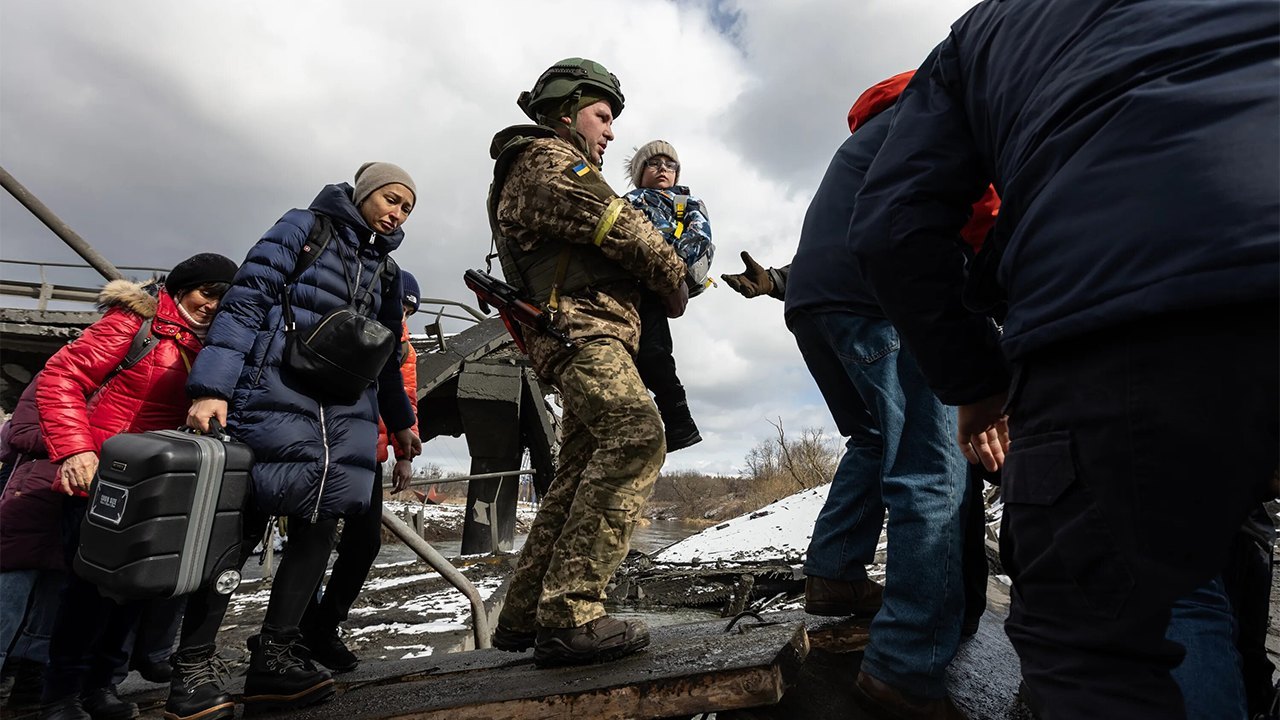
Berlin Film Festival 2025: How Ukrainian Cinema Has Changed Over Three Years of War
February 24. It is hard to talk about anything other than Ukraine on this day. A lot has changed in the country in three years, from the way of life to the culture. Today I would like to focus on the latter, telling about how Ukrainian cinema has changed since the beginning of the war. Just yesterday, the 75th International Berlin Film Festival ended in Germany, where four documentaries from Ukraine were presented. One of them was in the main competition.
In his review, film critic Oraz Kereybaev talks about these films, as well as about films released over the past three years.
Text by Oraz Kereibayev
Almost immediately after the war began, documentary filmmakers began to talk about the tragedy in their films. Back in the fall of 2022, the Venice International Film Festival hosted the premiere of the film Freedom on Fire by Yevgeny Afineevsky, which showed episodes from the front, footage of destroyed cities, and tear-jerking interviews with civilian victims.
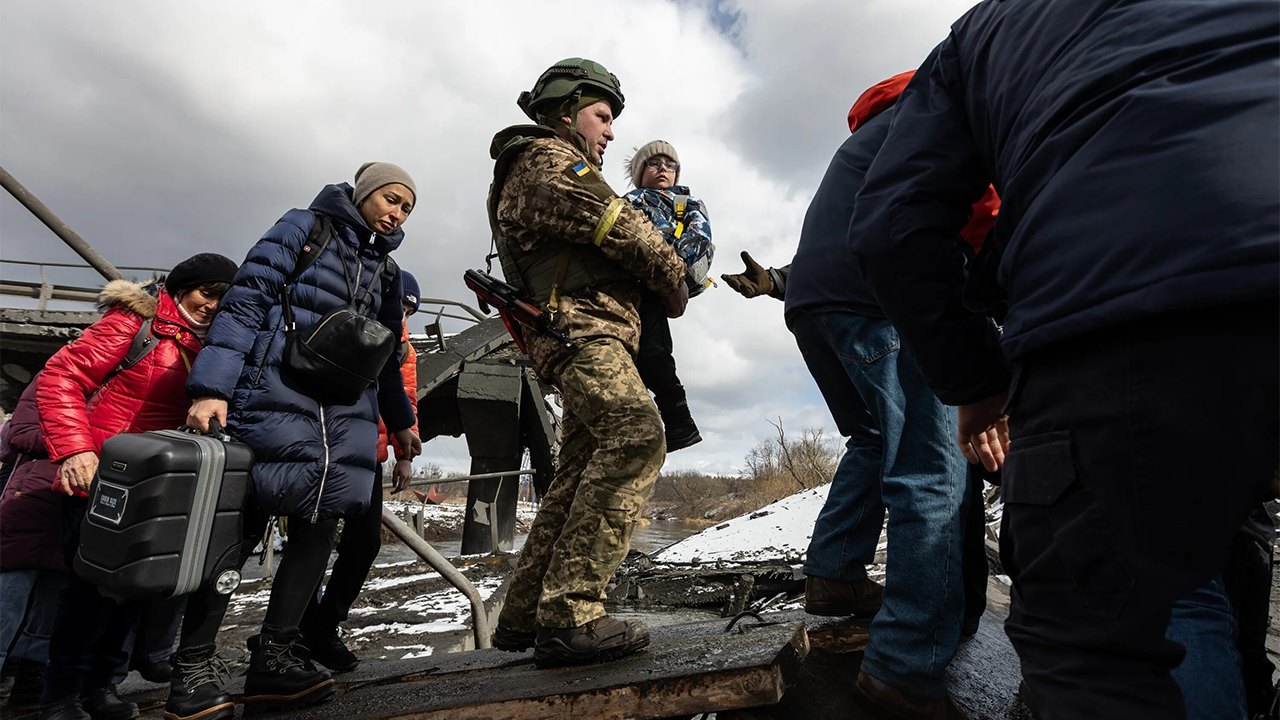
Photo: Andriy Dubchak / Freedom on Fire: Ukraine's Fight for Freedom
The same festival also featured Sergei Loznitsa's The Kiev Trial , about the trial of German criminals in Kiev in 1946. Although the film spoke of the past, a connection with the present permeated the picture. Of the feature films, the Orrizonti section featured Antonio Lukic's comedy Luxembourg, Luxembourg about two brothers who decided to leave for Europe to find their father. Of course, the film was shot before the full-scale invasion, but the themes of immigration and the search for a new home in Luxembourg, Luxembourg were given a new interpretation in the eyes of the selectors and viewers.
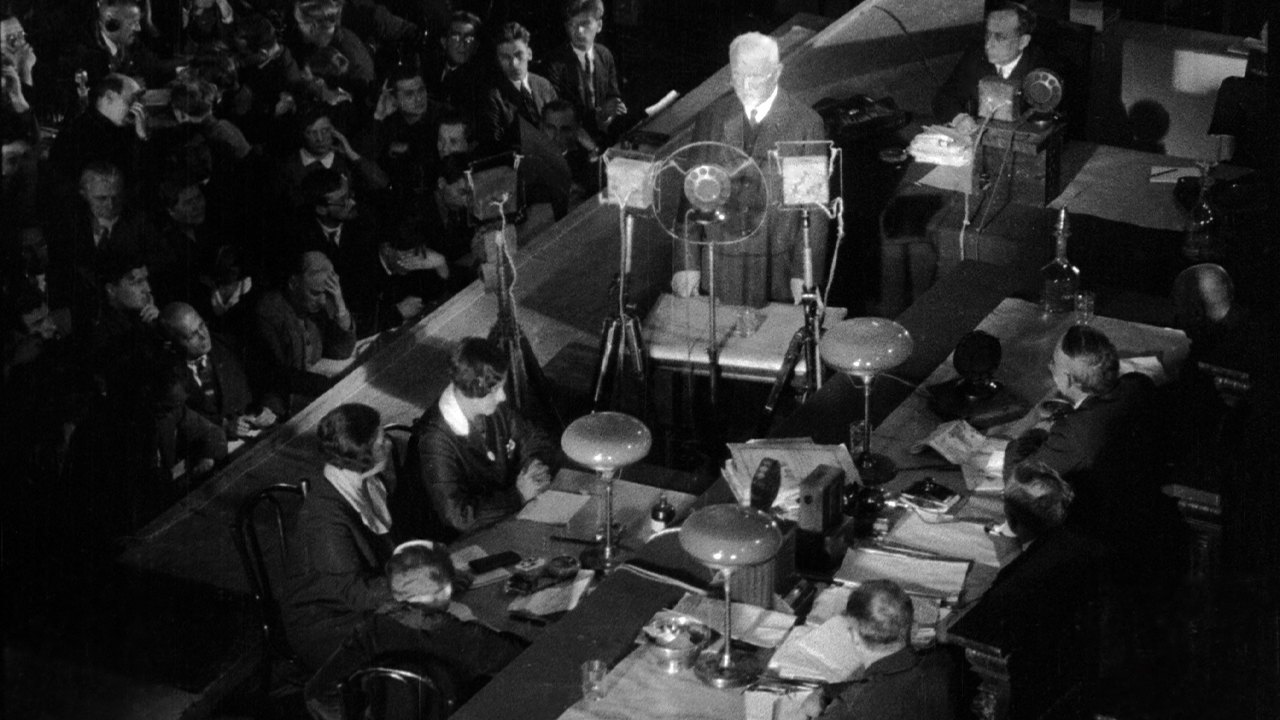
Photo: Process / ATOMS & VOID
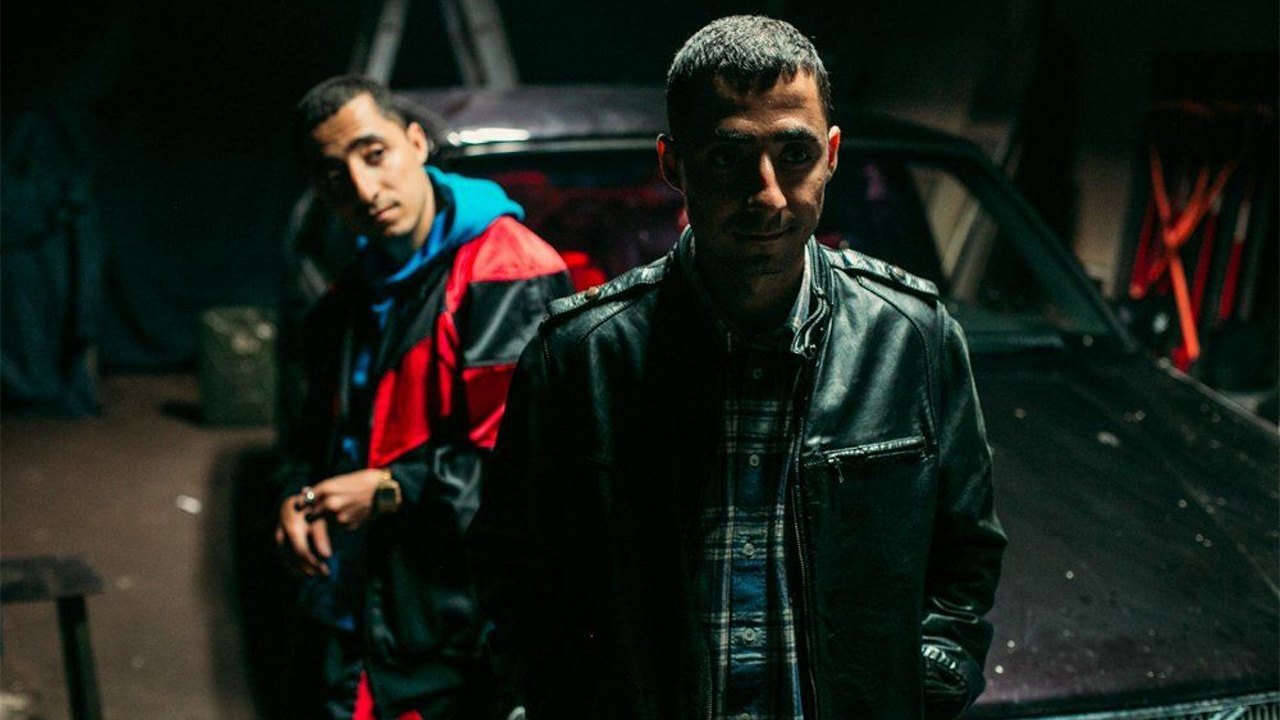
Photo: Luxembourg, Luxembourg / marieclaire.ua
A few months later, documentary cinema has become increasingly dominant in Ukraine. The Berlinale 2023 screened five war-themed films, including the Polish film In Ukraine and the unusual film by American actor Sean Penn , Superpower . The former showed the slow process of normalizing the war, while the latter consisted of a series of personal interviews with President Volodymyr Zelensky and the process of Penn's departure from the country as the invasion began. The same festival also saw the premiere of We Will Not Go Out by Alisa Kovalenko, about five teenagers from eastern Ukraine who sincerely believe in the coming of a better life.
Even then, documentary filmmakers began experimenting with form. This was especially noticeable in the poetic work “Iron Butterflies” by Roman Lyubiy and in the most frightening film of that festival, “Eastern Front” by Vitaly Mansky and Yevgeny Titarenko. “Eastern Front” mostly consists of Go-Pro footage shot by a military medic at the front. Almost all of these films plunged the viewer into the very heart of what was happening, forcing him to at least partially feel all the horror that the people of Ukraine faced.
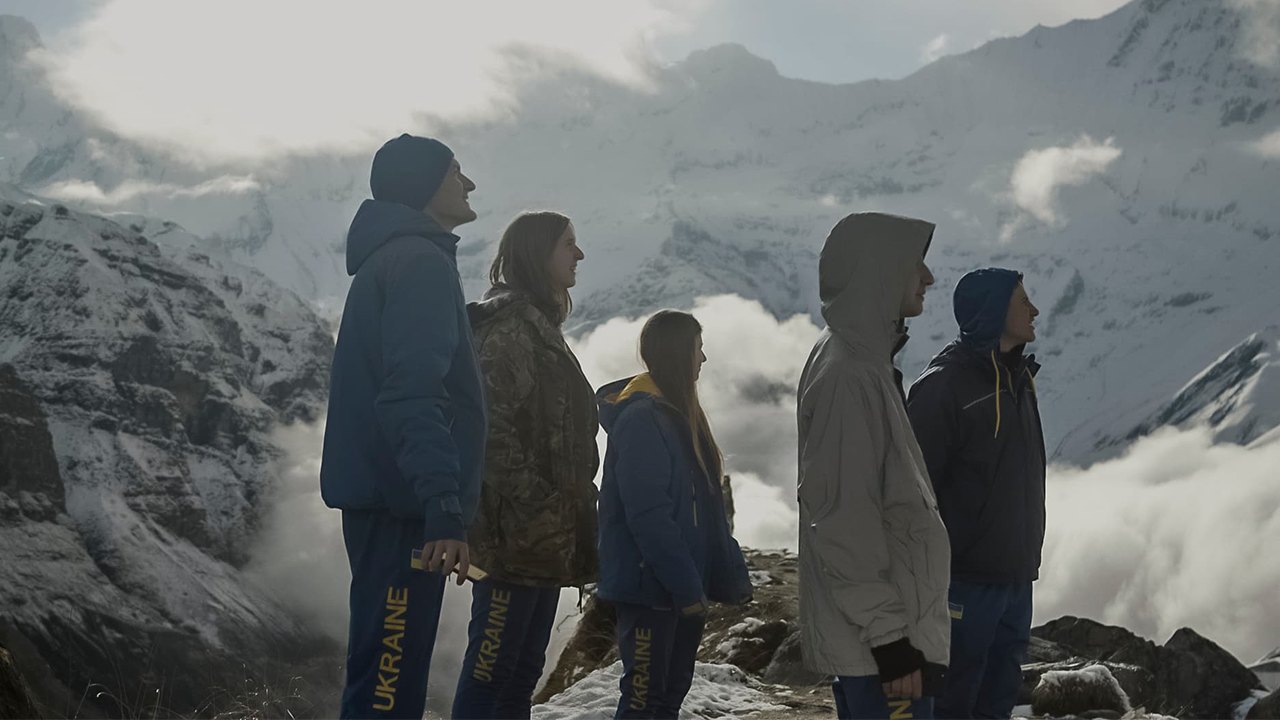
Photo: "We will not go out" / cinema.in.ua
Let us recall that in the same year 2023, Mstislav Chernov's "20 Days in Mariupol" was released. The film is assembled from video footage shot by Chernov and his colleagues during the first weeks of the war. The premiere took place at the Sundance festival, where the work received many rave reviews from critics and viewers. And in early 2024, it was awarded an Oscar statuette for "Best Documentary Film".
Despite the dominance of documentary cinema, Ukrainian feature films continued to be released in 2023. Toni Noyabreva's "You Love Me" and Anna Buryachkova's "Forever-Forever" made it to festivals in Berlin and Venice. Both films were shot before the full-scale invasion. Interestingly, the two works, as if rhyming with each other, focused on the coming-of-age story of a high school student in the early 1990s in Ukraine. The heroines rebelled against outdated morality, but could not build a new one. Perhaps the directors were reflecting on their youth, or maybe they were talking about the state of the country shortly after the collapse of the USSR.
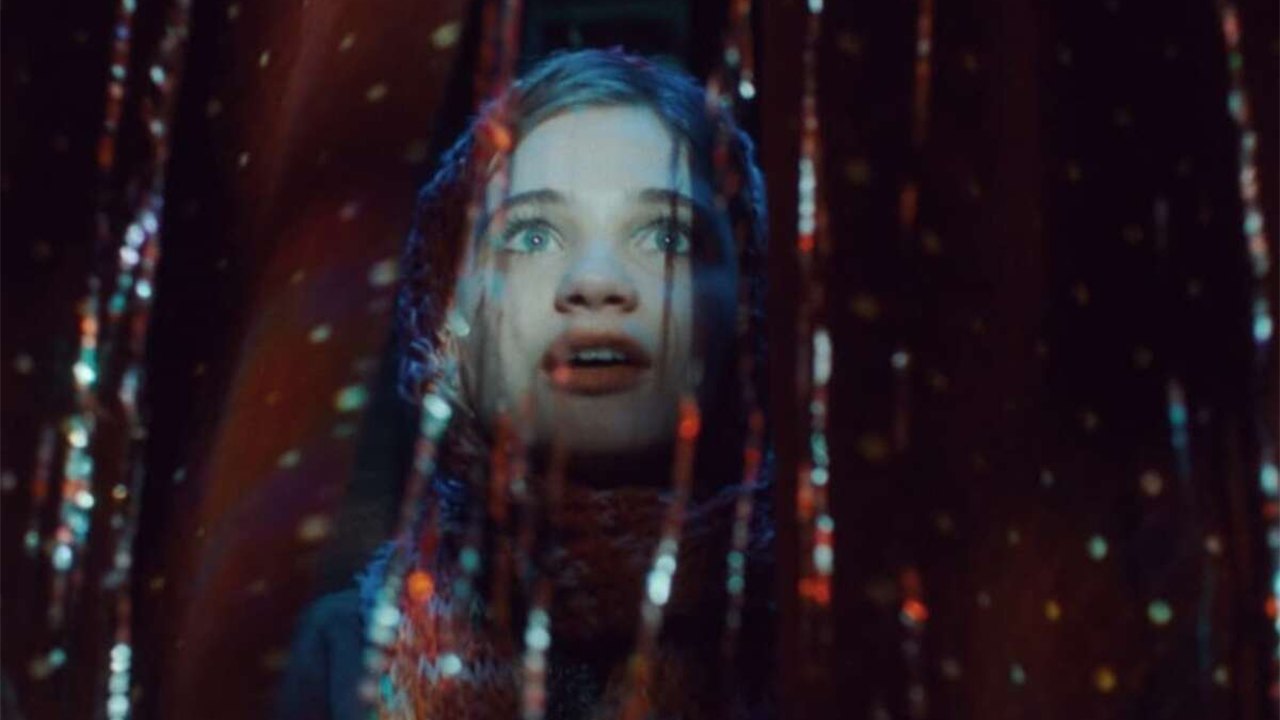
Photo: "You love me" / kanaldim.tv
Berlin 2024 began with an even deeper dive into the theme of war and its impact on events in the country. It was at last year’s Berlinale that Oksana Karpovich’s chilling documentary “Peaceful People” premiered. The film is a series of audio recordings of intercepted telephone conversations between Russian soldiers and their relatives. In them, the men tell their loved ones in detail about the various methods of torture used on Ukrainians, about the household appliances they are going to send home, and about the experiences associated with military life. All these recordings play against the backdrop of destroyed Ukrainian houses.
Until mid-2024, the majority of films from Ukraine showed the war directly from the front. The situation began to change with the release of Sergei Loznitsa's Invasion , which was shown in Cannes, and Olga Zhurba's Song of the Slowly Burning Earth , which premiered in Venice. Both films revolve around the normalization of life in Ukraine during the war. Thus, Zhurba shows footage of children playing war in the yard, and then contrasts them with scenes in a morgue. All this is followed by episodes of bread making in a factory, and ends in a school, where teenagers discuss the future of their country.
Similarly, in "Invasion" there is an episode where a teacher tells her students about the national heroes of Ukraine. Then the children sing the national anthem. But the lesson is interrupted by an air raid siren, which is announced in a casual manner by a female employee slowly walking around the classrooms. The children have already gotten used to the constant sirens. When leaving the building, viewers hear their classmates rejoicing at the alarm, because now they can skip classes.
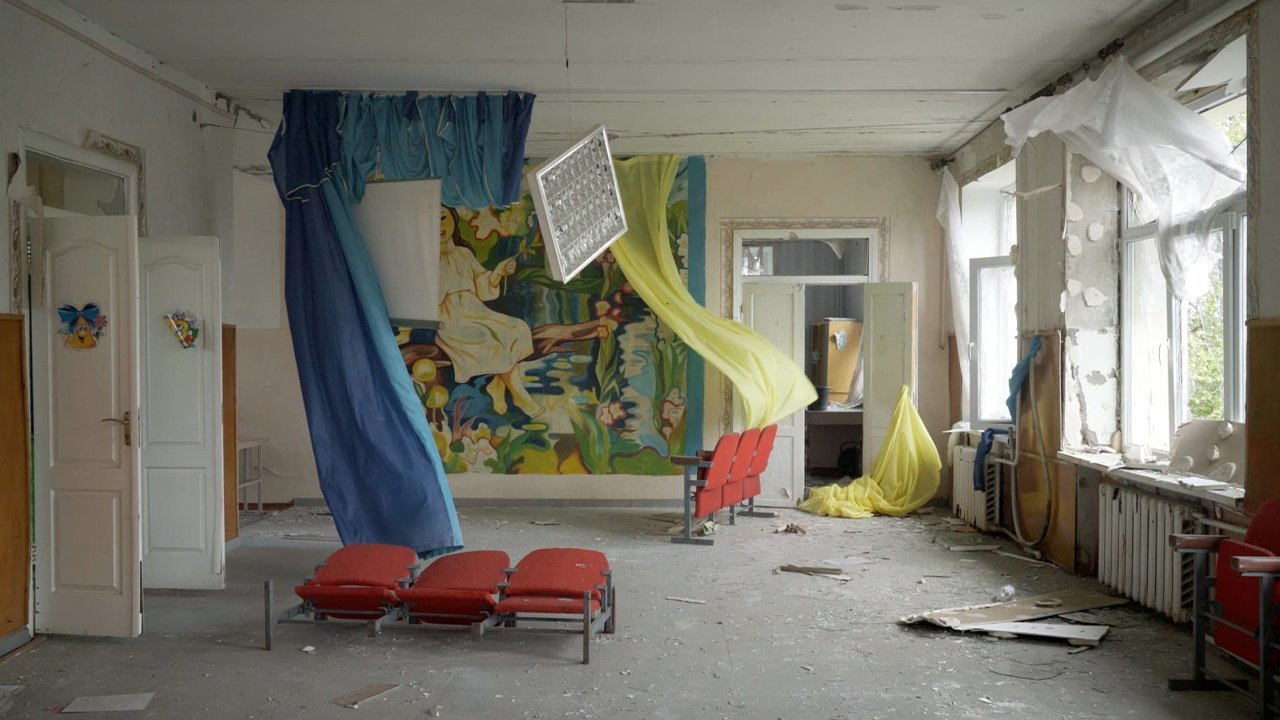
Photo: "Peaceful People" / cinema.in.ua
The trend of films about the new everyday life of Ukrainians continues in 2025 at the just-ended Berlinale. Kateryna Gornostay's "Timeline" is a great example. The film was selected for the main competition of Berlin, which happened for the first time since 1997 and Kira Muratova's "Three Stories". The film focuses on the process of school education in different cities of Ukraine. For the most part, the selected settlements are territories that were recently under Russian occupation. Today's younger generation is learning to fly drones and provide first aid. It has become the norm for them to hide in bomb shelters and study online. The documentary filmmaker asks: what future awaits a country that is going through a war today.
Vitaly Mansky also asks this question with the film "Podletnoe Vremya" , where the main characters are gravediggers and orchestra members. With the outbreak of war, their entire life turned into one continuous funeral process. As one of the orchestra members notes, someday they will again play not only at funerals. But for now, the number of graves continues to multiply. And the final shot, where a group of young soldiers stands against the backdrop of burials, instantly sticks in the memory.
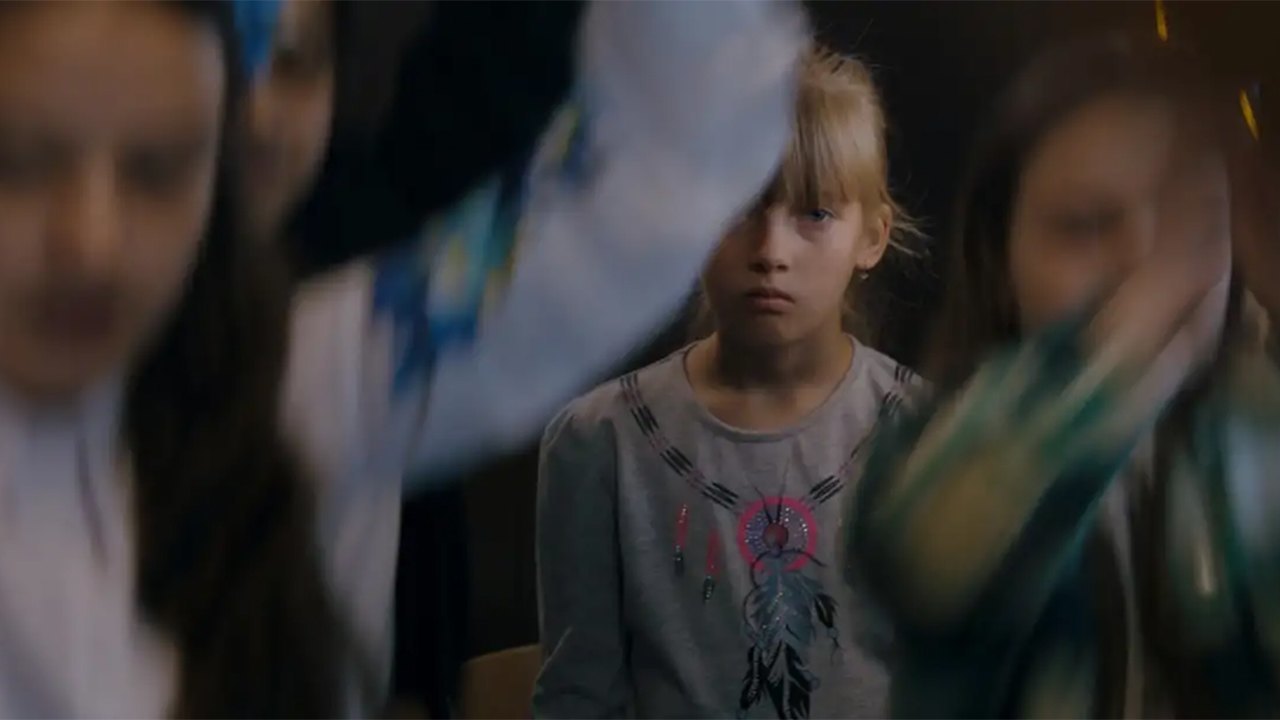
Photo: "Timeline" / DW
Finally, another memorable work of today's Berlin is "Special Operation" by Alexey Radinsky. The film is assembled from CCTV footage and shows the process of the capture of the Chernobyl Nuclear Power Plant by Russian troops. The documentary filmmaker lets viewers into the everyday life of soldiers so that we can see how banal evil can be. If the film "Peaceful People" aimed to tell about the horrors of war, then "Special Operation" is about its routine. In this sense, the audience here also observes the new normality that has developed, in which it finds itself more distanced from the war not only physically, but also mentally.
As a result, over three years, a whole layer of documentaries has formed in Ukrainian cinema, showing the war from all possible sides. Some put the audience in the thick of things, while others try to distance themselves from the front and tell about ordinary citizens. Some show the horrors of the present in all their colors, while others discuss the future of the country.
Cover: u-misti.dp.ua